

Writing Lesson #3: Mining your metaphors
If anyone's ever told you to be more specific, dig deeper here or the more personal it is the more universal it will be and you thought what the fuck than this one's for you

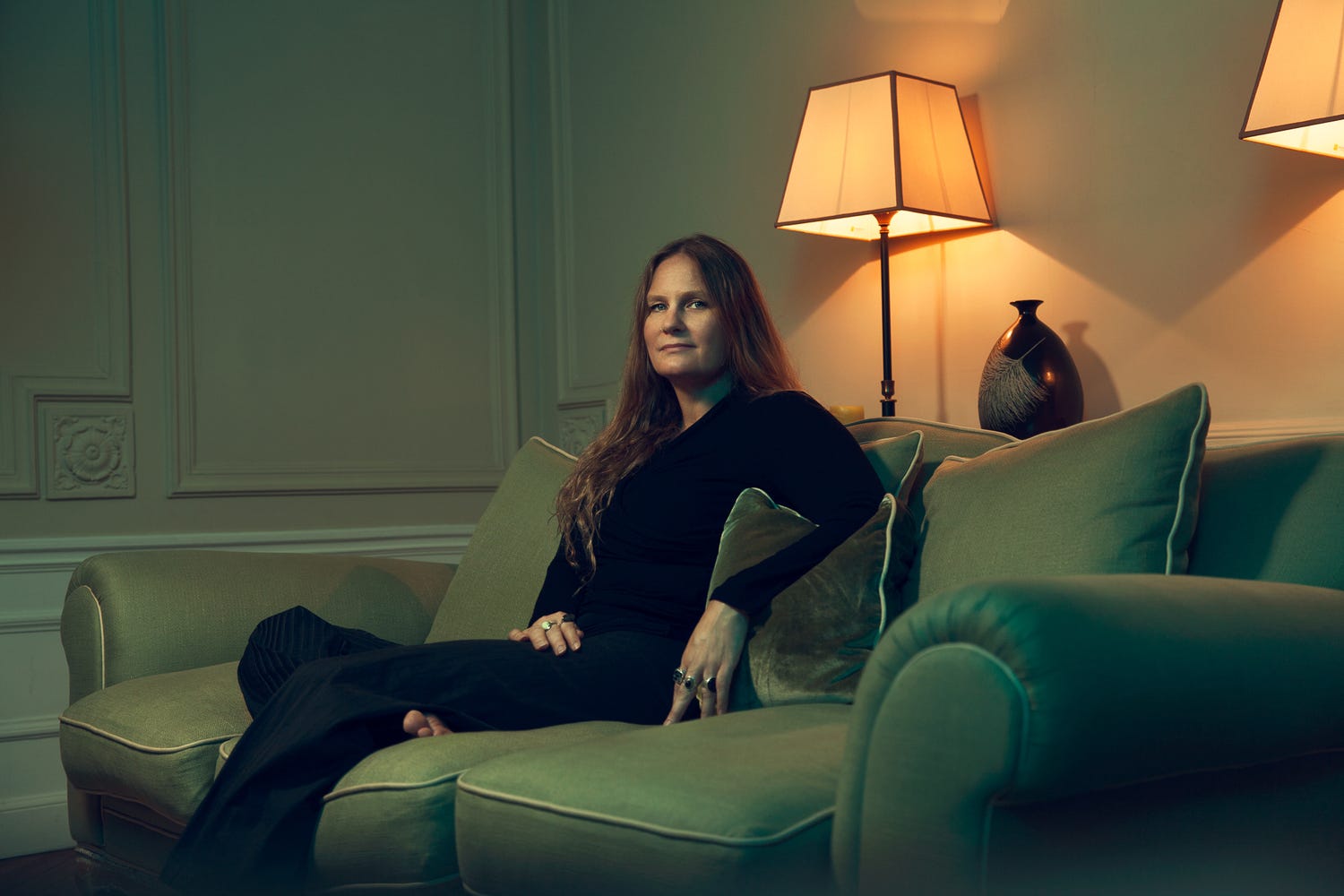
HAPPY NEW YEAR! And hello new subscribers — I’m so happy you’re here. Hello old friends — I’m so glad to be back. This post is dedicated to your creative practice in 2023. It’s a nice tip anyone can use, writers or not, to ground yourself in your own lived experience. It’s technically a craft email, but take it however you like.
And now without further ado: the magical mystical hard working tricks of Ms. Lidia Yuknavitch. May we all bow down.
This exercise, passed down by the master of the modern memoir, has done more for me than a million hours in coffee shops and a thousand filled notebooks ever did. The first step is simple and will take between ten seconds and ten minutes and it’s the best thing you can do for your writing this year besides write every day, which yes, you have to do too. Lidia gave this to a group of us verbally as a part of a writing workshop in Ojai in around the year 2013 or at least it was pre—Olive. Most of my energy then was dedicated to wanting a baby but I had a sense that manifesting writing wasn’t all together different from making a child. I mean, I was wrong. But when Lidia left us at the end of the two-day retreat with a six week long assignment, I did what I was told. What can I say, I like to follow directions. The first time I did this I felt myself in my words for the very first time.
This is a quick diversion before I get to the exercise so if you’re already game you can just go ahead and skip past. But I issue one warning to you - if you are a person like me who needs a crazy amount of admiration for someone to take their advice then I’ll just tell you a little about my experience with Lidia because you must do this assignment EXACTLY and don’t fuck around. What can I say, I also like to give out instructions. She wears braids to “remember young” which she said in an offhand way while reading some drafted writing of her own to the group while we sat in complete stillness in that wide open room in the middle of the mountains, each of us hanging onto her every word. She intentionally put poetics in her memoir because her story is one thing but her writing is another and what I gathered from that is that your work is a way to shift your own emotions about a thing that you’ve gone through. Personal progress, so to speak, though I doubt she’d call it that herself. Her successful writing career began with the confidence that she could write a sentence — a good one — along with the clarity that to be able to do that meant something and of course she was right. Her book The Chronology of Water transcends time and whispers healing to the deep parts of yourself that already knows the truth but needs to be spoken to in a familiar language to remember. These are just a few things; I only met her that once.
Now here’s the first step of what she told us to do and so I’m telling you.
Write a list of ten personal metaphors
This is what she called them but I translated this as ten people places or things that have personal meaning. Water, ocean, gems, violin, Irena, Sahara, orange, telluride. Here, there’s eight of mine, right off the cuff, just to show you how easy it is. Don’t get too cool about it. Maybe make one a little more specific. I say that as I struggle with the last two and even question the ones I’ve already written down. Is orange important to me or did it just sound interesting? I actually know nothing about telluride but it came to mind and I want to trust that what comes up deserves my attention. What do I use as the last two words in the list? Snow, galaxy. Ok there. Water, ocean, carnelian, violin, Irena, Sahara, sunrise, telluride, snowflake and galaxy.
This next part could take you the better part of the year or you could do it as fast as in a few weeks. Maybe I’m getting all this wrong. Lidia said it aloud and this is what I remember doing and what I’ve done a few times thereafter so this is what I’ll pass on to you as the very next step:
Write 100 sentences about each word.
They do not have to be in any order. They do not all have to be true. You can do any amount of outside research you like or none at all. You’re simply mining each personal metaphor for all that it’s worth. Write the word on top of the page and then list your sentences underneath. I think it’s best to do one word at a time but if you have to jump around fine. You’re just looking to get 1000 sentences out, 100 for each of your words.
I’m hesitant to give you this last step now because people like to jump to it before writing all the sentences. Don’t do that ok? Finish step one and finish step two and then come to step three which is to write a one page story about each personal metaphor. You don’t have to use all of your sentences. You don’t even have to use any of them. The story doesn’t have to use linear time, but it can. You don’t have to have an outline of the story and the story doesn’t have to work in the way that you thought it might before you wrote your sentences. In fact, maybe it won’t, and that’s on your side. Because somewhere in this list writing and sentence writing practice you might find, as I found, the story has already been made; it’s already there, inside you. Perfect and complete.