

MORE HIDDEN ROOMS AT THE MUSEUM
an artist's date at the de Young continued

…After getting over my excitement about discovering the About Place portion of the Svane gift, I went to find the drawing program, not finding it at first. As I looked around I caught a few moments of a video interview with the sculptor Leilah Babirye, whose exhibit, We Have History, is on the second floor gallery for the next year. The whole interview is worth returning to but I heard her say that when she goes to her studio she has no plan at all. I wonder about when she’s in the middle of a work–if she ever develops a plan or if she’s constantly just following her instincts, every step of the way.
The drawing program, I came to understand, is more a set of resources and a suggestion: this time to find representational images of the seasons to draw. I ignored the prompt and took a collection of colored pencils and a squishy eraser from a rolling cart over to a sculpture I saw earlier in the morning. I set up my little black folding seat at her side and put my thin vertical paper on a clipboard and planned out the hour before going down to get a ticket for the talk. I would outline the figure in pencil and then have some fun putting color onto the image, since the sculpture was all white marble.
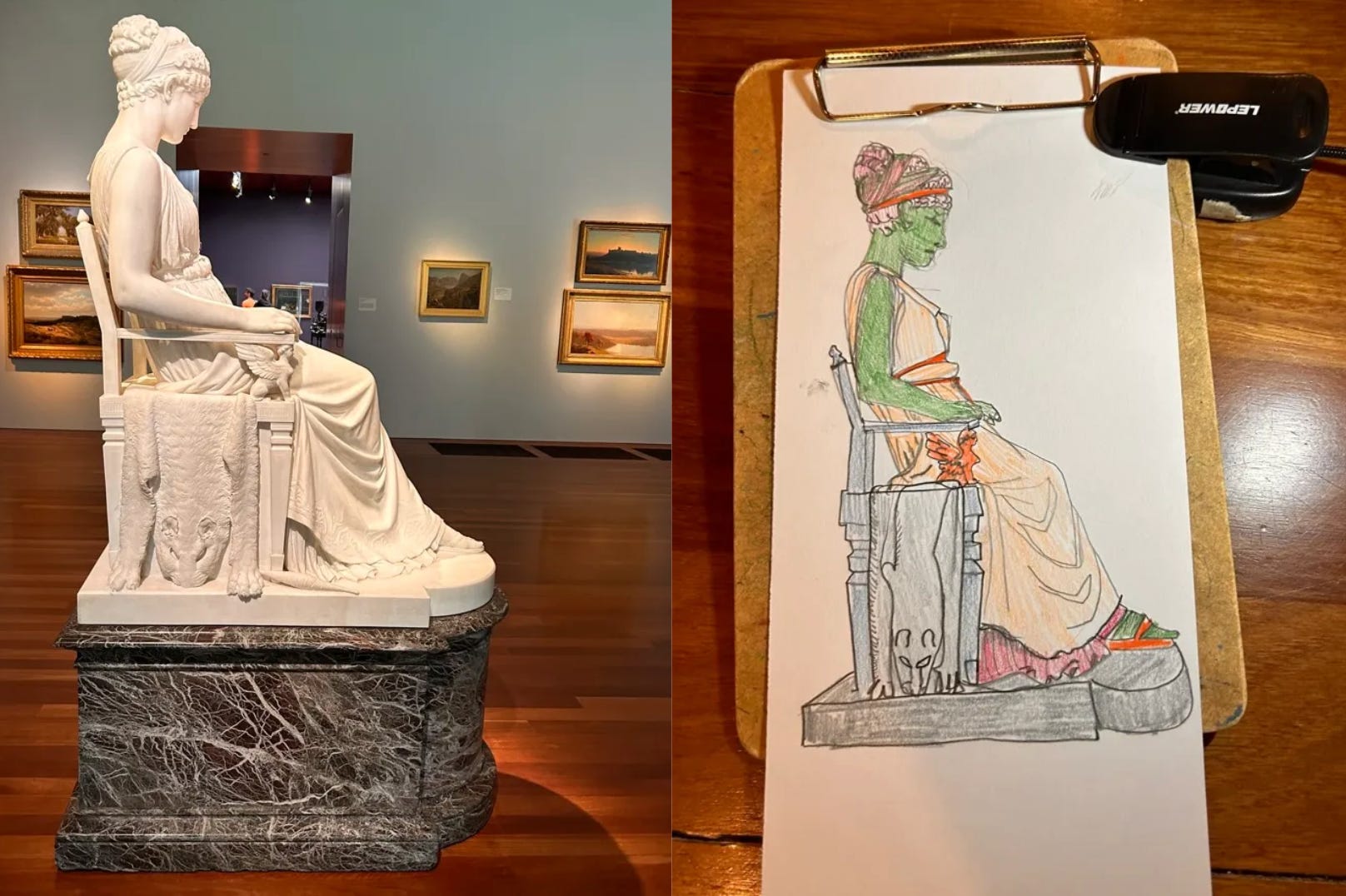
It was hard. I did it. I enjoyed seeing how drawing the line of the bottom of the dress could look like fabric on the page, just like the solid rock was made to look like fabric on the figure of the sculpture. I liked drawing the animal skin she sat on, and coloring the ribbon in her hair, and seeing that my version of her face was more somber than the original. I especially liked using the small clip-on light that illuminated the paper, as the galleries are intentionally dark.
At 12pm I colored the last of her toes green and packed up, returned the materials, and then headed downstairs to grab my ticket and get lunch before the lecture began. Outside the de Young has seating and food sales in a garden and there was a free surf rock concert in the bandshell right outside the museum. It was one of those days when things fit together and time seemed to hold all the possibilities at once. A woman with gray hair and colorful paints said challenged the audience not to enjoy themselves. I scarfed down my food because, I eat with the focus of a person on a battlefield. After I lazed around at the back of the museum talking to a friend on the phone.
We talked as if there was no clock in sight because my commitment to rushing stops as soon as the telephone is involved. I would have sat out there, laying on the stone wall next to a wooden path, under the shade of what might have been an Olive tree, gabbing away all afternoon, if I did not already have a ticket in my pocket.
I went inside and to find a seat in the cool auditorium with about fifty guests and began to wonder why the universe was being so good to me. Was it to make me feel at home in San Francisco? It had been three years and I had steadfastly withheld judgement. The publisher described her role as the person responsible for all the art books for both the de Young and the Legion of Honor, the writer described her ten year commitment to creating a exhibition catalog for the Osher collection, the editor admitted that her most challenging job was not taking the writer’s bad grammar personally, the photographer said that he had the best job and the best office in the whole museum and the book designer showed his pdf file of the final book in miniature. Each person had so much clarity about their role and also such willingness to be a part of the team. I felt that they were the most professional people I’d ever seen.
And then there was THE Q AND A.
Do you use AI as a part of the process? one woman asked.
The room went silent, tense, immediately almost contentious. The writer—the youngest person on the panel by about 10 years at least—said she did like to use AI to find two word synonyms, but that overall she prefers to work with people, graciously mentioning the ones sitting next to her by name.
I too, asked a bad question.
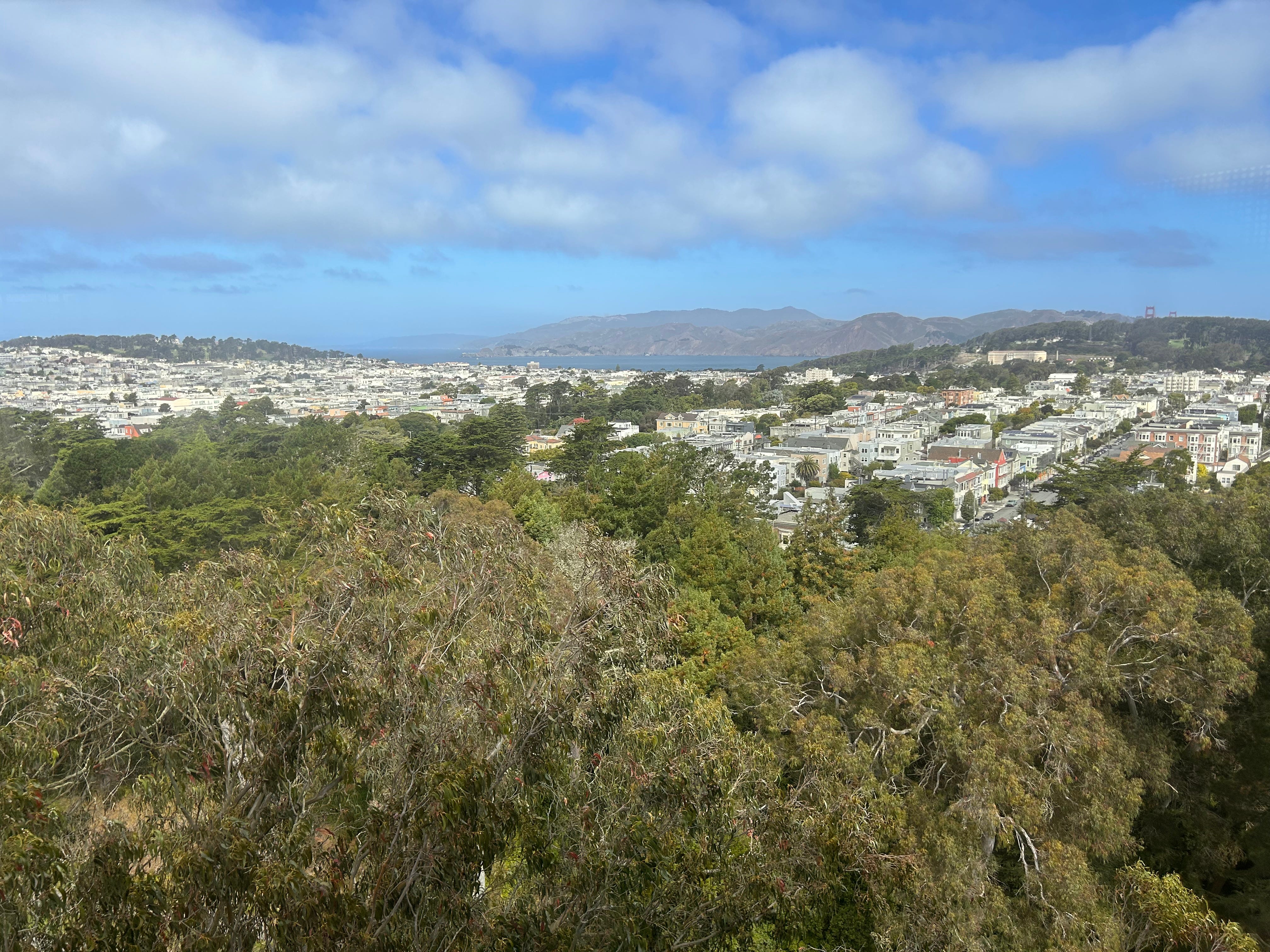
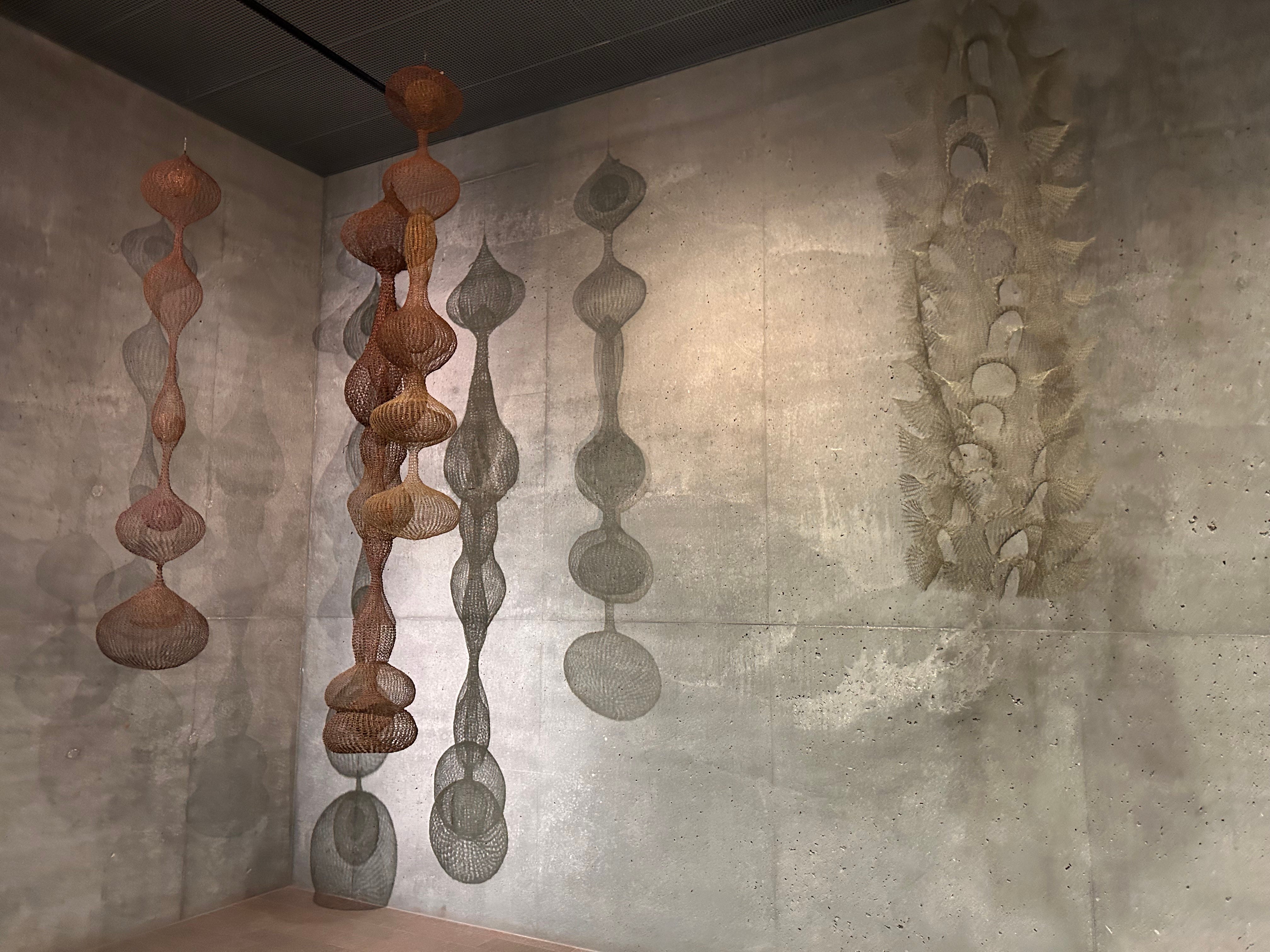
After the talk, I followed some museum signs to the observation deck–ones I may I had seen before but never took seriously. I should have because if you take a small elevator in the back of a museum to the top you get to a room with 360 degree views of the city. To get to that elevator you also pass through a room of Ruth Asawa sculptures, shedding their delicate shadows on the gray walls of a permanent collection of her work.
I grabbed Spirits of San Francisco: Voyages Through the Unknown City from the small bookshop in the same widowed room and opened up to a page that spoke directly to my intention when I had arrived that morning.
At that moment, I realized maybe I’d been alone too long. Being a writer makes it easier to be under quarantine—hell, we’re always locked down, all we do is sit at home working all day anyway. But it also exacerbates some introverted tendencies I have, not all of them particularly healthy, and under their malign influence I realized I had begun to emulate the narrator of a certain Simon and Garfunkel song. It was all well and good to use to opportunity of the streets being deserted to commune with the rocks on Telegraph Hill Boulevard. But I didn’t want to turn myself into a rock.
A family interrupted me as I read, to take their picture. Their son, a young man in his 30’s, was so gracious when he asked that when I said yes, I felt responsible for taking a good one, asking whether he wanted vertical or horizontal photos. He encouraged me to take both and I was intimidated by the woman in the center of the image, who I’m guessing was his mother, as she looked clear eyed into the camera with a confident smile. I felt that she had an internal life that was completely organized. Her son and her husband held her elbows, so gently, on either side of her, knowing with absolute certainty that she held the center.