

GENDER RETREAT
pronouns, passing notes, and parenting in traffic

L passed me a note in school that said “sex T,” O said casually after pick-up.
We were driving down Van Ness ave past all kinds of San Francisco institutions: City Hall, the public library, the performing arts center, the Asian Art Museum. There’s always traffic there and so maybe I had space in the still car to react to this strongly. Or maybe I reacted to it because I was in traffic and felt easily mad. I know that all readers and friends and therapists and writers might say two things: it’s wonderful that your daughter talks to you! And of what follows: it won’t be your only opportunity to talk about sex with your daughter! But I really feel like I messed this one up.
O, I asked, do you know what that means?
No, she admitted.
Out of my mouth fell a story about a penis and a vagina and what happens between them when people grow up. Then I wondered how this fell out of my mouth, why I had said it, and whether I could put it back in and do this all over. Even my own first story of the birds and the bees had been told to me much better than that. So instead of going forward, with a progressive agenda, an expansive view of what sex could be, I resorted to the most basic, biological description and presented it as if it was something she’d one day be expected to do.
Olive made a horrible face.
But that’s later, I said.
MUCH later she quipped.
We talked a bit more about this and I said more of what I wanted to say. About how this was a total intrusion and nobody else should be telling her anything about what she should do with whomever!
O thought I was making a bit too big of a deal of it and explained that it was just that T had a crush on her and so this was the kind of thing that other kids said.
Well, I said, do YOU have a crush on T? The response she had made it clear that her feelings more about being selected by him.
I thought a whole lot longer about this. I thought about posting this piece much earlier in January, on inauguration day because you will not be surprised about the candidate that L’s family (the note passer) was in favor of. But I was surprised how directly that vote translated to a child in third grade, and to the familiar politics of secrets, notes, crushes and off-sides commentary of eight year old children.
It’s Amanda Montei's book that gets some credit for the connection I made here between politics and the language of children. If I’m to be clear about it I’d say that note from L was O’s first experience with sexual harassment. In Touched Out, Montei argues that women’s experience with being overstimulated during early parenting is a part of a longer trajectory, where women’s bodies were already under threat to not be left to themselves before they even had children. I’m proposing here that it starts, officially, in the public domain and perhaps as early in third grade if not sooner. In this vein of thought, it’s so important that women have body autonomy so early that by the time they are even thinking about becoming parents, if that is part of their path, that the touch of their children is something that’s welcome.
I want to be ON YOU, O said the other night after dinner. Kids really do want to be on top of us, on top of each other (think of how they go down the slide), and is that a bad thing? What would we need to make those natural instincts of children something we love rather than something we struggle with. Although you might say my reaction to the note passer is also a part of that struggle: a reactionary view of kids' first curiosities of the adult world.
A few days later O asked me something else entirely:
What pronouns do you use? We were at the top of the stairs and she asked me but looked at her dad right away and then back at me.
She / her, I told her.
Later, while I gave her a bath, I said, but also sometimes they. I use they in some big group contexts when I want my words to be taken outside of gender stereotypes. I’m experimenting with it. I’m not sure it works (for me, I should say here, not works politically).
I asked her if she was thinking about hers and she said she wasn’t. There was just a girl in her ballet class who told her, in secret, that her name tag said she / her but that there was more to her than that.
I thought more about these two moments and whether one was conceived of because of the other. Was O wondering about the use of “they” as a retreat from this first news of unwanted attention? She has already talked about her own gender identity as being female but also part male, whereby she wants the boy parts of her girlness to be visible too. I’m wondering if she was thinking about M who told her to sex T and if using they would get her out of being seen as an object.
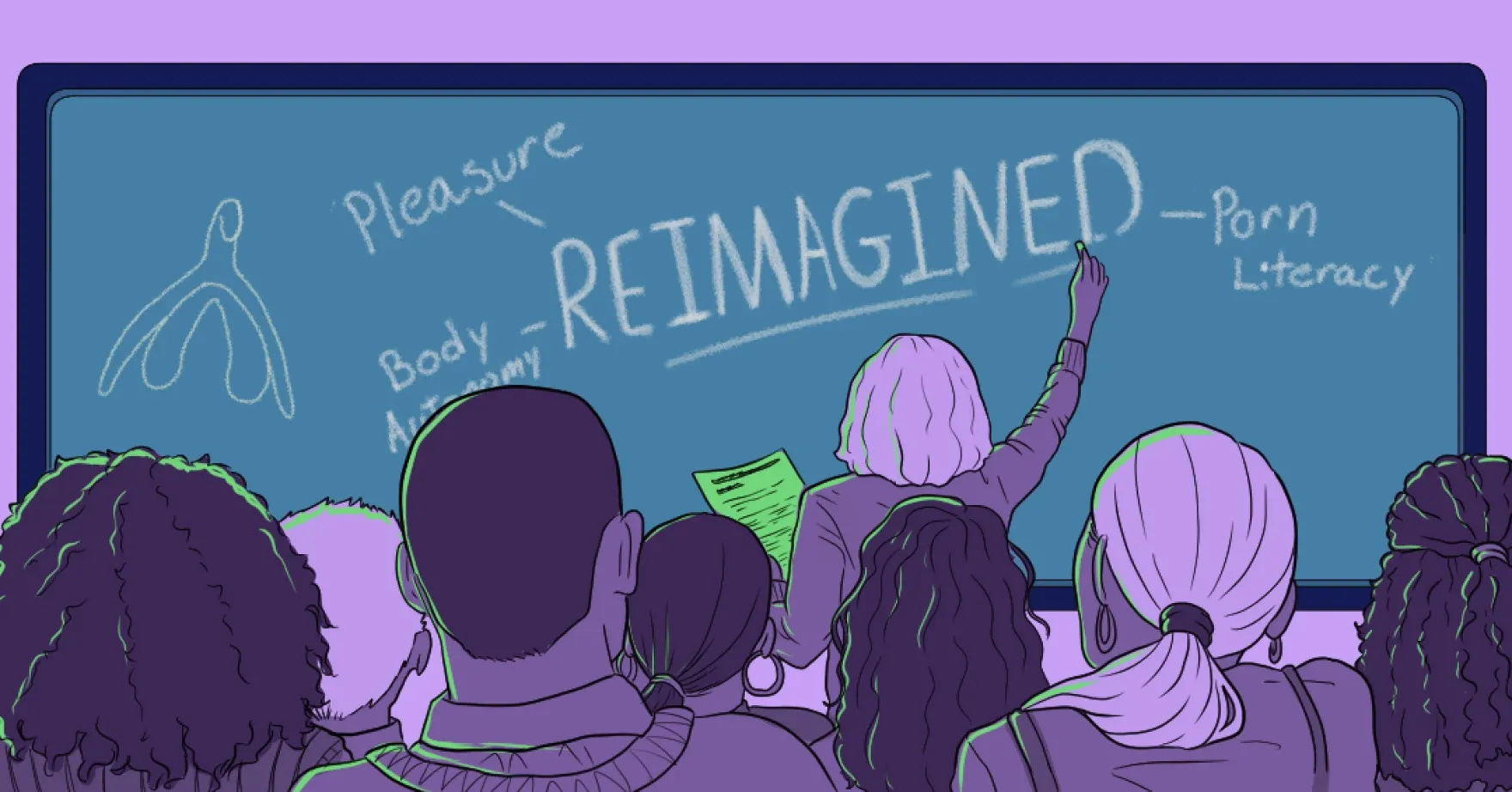
I’m sad that I didn’t say something more interesting about sex when the topic came up! In a way this was the moment I’ve always been waiting for. From the start I’ve been chasing O around with a book about anatomy, where the g-spot is clearly shown as an extension of the clitoris. Sexuality doesn’t start at puberty, is what I’m sure about now. And it’s not at all something that just gets learned at home. Sexuality is a continuum, not just in identity but also in development and it starts from day one.